A typical thriller has a generally fast paced plot that keeps the audience in suspense; its aim is to keep them on the edge of their seats. Common plots used in thrillers are: ransoms, captivities, heists, revenge and kidnappings. The hero is usually caught in the wrong place at the wrong time and is involved in the plot mainly by pure coincidence.
Sub Genres
There are many sub genres within a thriller such as:
Conspiracy
Crime
Disaster
Mystery
Psychological
Conspiracy
In a conspiracy thriller the protagonist usually gets caught up or is involved with some powerful organisation ; usually something to do with a government organisation covering up some illegal act they don't want the public to know of.Throughout the film the protagonist usually discovers a secretive conspiracy and will struggle to comprehend what is true. A typical conspiracy thriller usually ends with the protagonist bringing the antagonist to justice. A common theme used within conspiracy thrillers is mistaken/ unknown identity. Good examples of a Conspiracy theory are:


Crime
A crime thriller literally evolves around crimes and their detection, and criminals and their motives. In a typical crime thriller the protagonist is usually the one involved in the crime and the antagonist is usually the police/government. Emphasis is usually put on action rather than psychological aspects. Popular plots used in this sub genre are: murders, robberies, heists and double crossings. Good examples of a crime thriller are:
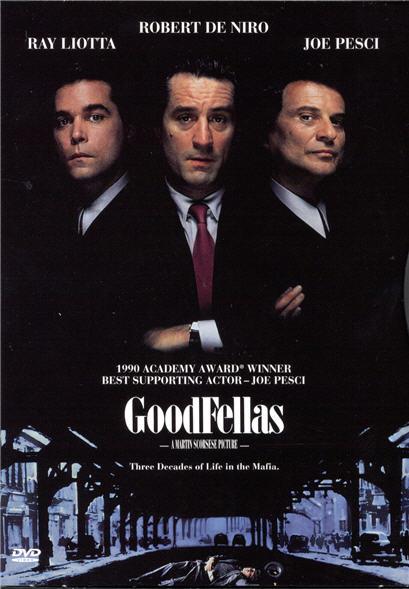
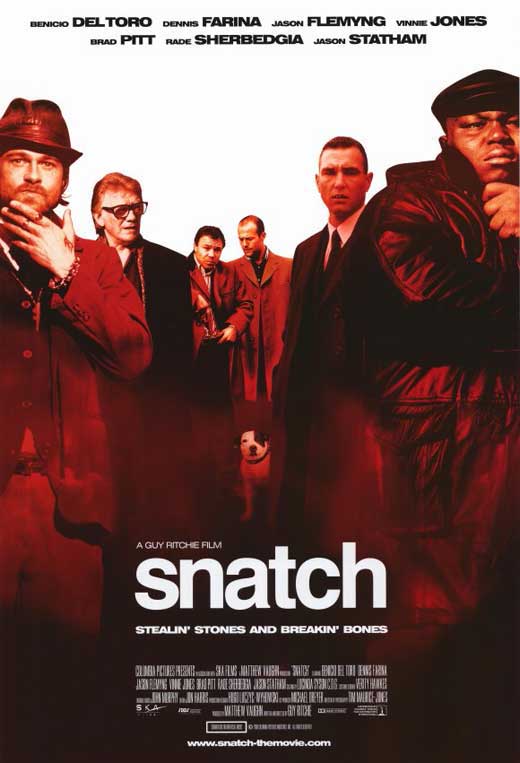
Disaster
This sub genre usually follows a group/persons survival in conflicts with natural or artificial disaster such as floods, hurricanes, volcanoes,earthquakes and nuclear disasters. These films usually offer an exaggerated version of what may happen in the future if such events were to take place. They also can offer some sort of moral lesson to the audience. Many of these films are based on global warming. Good examples of disaster thrillers are:


Mystery
In a mystery thriller the plot usually revolves around solving the mysterious circumstances of a crime.The protagonist tends to either be an amateur sleuth, a private investigator or a detective. The protagonist strives to unravel the mystery behind the crime by using their diligence and deductive ability. A key element of a mystery thriller is suspense. Suspense is usually maintained throughout the film and reaches its peak when a plot twist is introduced. Mystery thrillers are successful as the audience becomes the detective as well; they try and unravel the plot with the protagonist. good examples of mystery thrillers are:


A psychological thriller aims to use the protagonists mental and emotional conflict to play with audiences minds and create suspense.In a film of this sub genre the protagonist is no longer reliant on physical strength to overcome their enemies. Instead they become reliant on their mental abilities. The suspense created by psychological thrillers often comes from two or more characters preying upon one another's minds. Good examples of psychological thrillers are:


Red Herring
A red herring is something that has no use in the story except to distract the audience from the real culprit. A red herring can take the form of a character, which the reader may believe to be the killer, only to discover later that he is innocent. Or it can take the form of an item which readers believe to be the clue to a discovery, but which turns out to be worthless. This is also known as a fallacy. A good example of where a red herring is used is in the film "north by north west". Throughout the majority of this film it is believed that the girl is on the side of the bad guys but then we find out that she was actually a spy who was spying for the government.

No comments:
Post a Comment